
Archives
-

Vol. 5 No. 2 (2026)
Volume 5, Issue 2 (2026) of the Journal of Neurophilosophy brings together a diverse collection of contributions exploring consciousness, brain function, mind, philosophy, and emerging interdisciplinary approaches. The issue includes original research, opinion and perspective pieces, review articles, theoretical and hypothesis-driven contributions, as well as book reviews.
-

Vol. 5 No. 1 (2026)
This issue focuses on neurophilosophy, consciousness, personal identity, and the intersections of neuroscience, philosophy, and emerging technologies. Spanning editorial analyses, review articles, theoretical frameworks, and empirical contributions, it examines the dynamic relationships between brain, mind, and society, addressing themes such as predictive processing, free will, and the limits of artificial and quantum models of cognition.
-
Vol. 4 No. 2 (2025)
This issue focuses on artificial intelligence, personal identity, moral agency, and the biological foundations of cognition and lifespan. Spanning review essays, theoretical models, and empirical studies, it examines the evolving interactions between brain, mind, and technology, highlighting ethical, philosophical, and neuroscientific perspectives. The collection underscores the journal’s dedication to interdisciplinary rigor and critical reflection on consciousness, agency, and human values.
-
Vol. 4 No. 1 (2025)
This issue centers on questions of consciousness, first-person experience, neuroethics, and speculative ontological frameworks, while also engaging with cinematic and cultural reflections on cognition. Through perspectives ranging from phenomenology and eliminative materialism to quantum hypotheses and ethical analyses of neuroenhancement, the collection foregrounds the enduring tension between subjective experience and physical explanation, reaffirming the journal’s commitment to interdisciplinary rigor and conceptual innovation.
-
Vol. 3 No. 2 (2024)
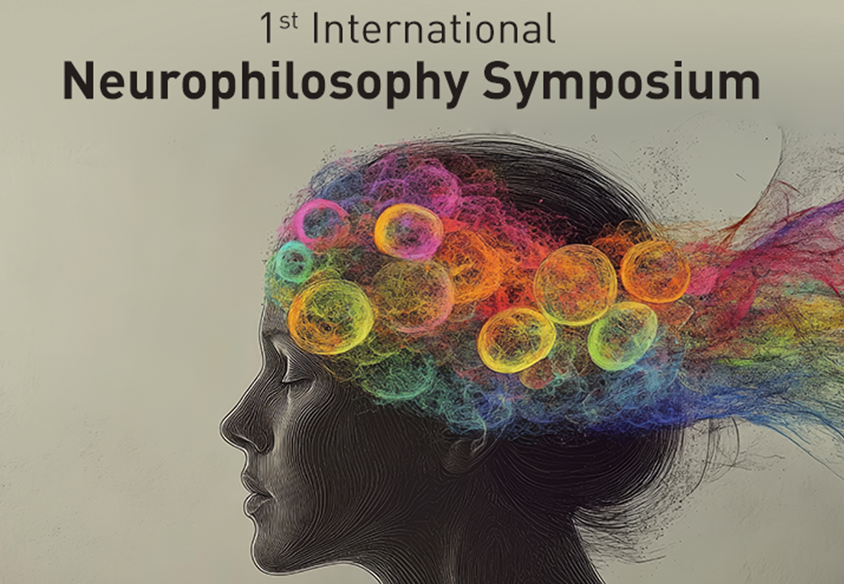
Anchored by contributions from the 1st International Neurophilosophy Symposium, this issue brings together debates on physicalism and dualism, freedom and naturalism, affective neuroscience, and the metaphysics of mind and identity. Spanning empirical hypotheses, theoretical models, interdisciplinary dialogues, and critical reviews, the volume foregrounds enduring questions about consciousness, agency, and human identity while fostering productive exchanges between neuroscience, philosophy, and social theory.
-

Vol. 3 No. 1 (2024)
Bringing together perspectives on historical representation, integrated information theory, perception–action coupling, rhythm and neural encoding, and the limits of neurocentric accounts of the self, this issue highlights the plurality of approaches shaping contemporary neurophilosophical inquiry. Through theoretical models, interdisciplinary dialogues, and critical reflections, the volume advances discussions on mind, selfhood, temporality, and the evolving relationship between brain, experience, and meaning.
-

Vol. 2 No. 2 (2023)
From neurobiological reinterpretations of classic social experiments to speculative models of consciousness, infinity, and mental disorder, this issue foregrounds the explanatory reach of neurophilosophical inquiry across scientific, ethical, and metaphysical domains. By integrating theoretical innovation, phenomenological analysis, and interdisciplinary critique, the volume underscores the journal’s commitment to exploring how brain, mind, and world are mutually shaped through evolving conceptual frameworks.
-
Vol. 2 No. 1 (2023)
Addressing foundational questions about consciousness, selfhood, perception, and free will alongside empirical investigations and sociopolitical hypotheses, this issue exemplifies the productive interplay between philosophical reflection and neuroscientific research. Through critical reviews, theoretical models, and personal scholarly perspectives, the volume reinforces the journal’s mission to foster integrative dialogue across disciplines while charting new directions for neurophilosophical inquiry.
-
Vol. 1 No. 2 (2022)
Foundational and intellectually adventurous collection that captures the journal’s early commitment to pluralism and theoretical openness. Engaging with debates on dualism, brain–mind relations, neurophenomenology, and the biological conditions of cognition, this issue combines empirical studies with bold speculative models and reflective essays. By juxtaposing neuroscientific investigations with metaphysical inquiry and first-person perspectives, the volume establishes a distinctive platform for exploring consciousness, selfhood, and the dynamic processes underlying mental life.
-

Vol. 1 No. 1 (2022)
Journal of NeuroPhilosophy marks the formal emergence of neurophilosophy as a distinct and methodologically plural field of inquiry. Featuring foundational reflections by leading figures alongside critical perspectives on consciousness science, expertise, and emerging technologies, this issue establishes the journal’s commitment to rigorous interdisciplinary dialogue. By combining philosophical analysis with neuroscientific research and ethical reflection, the volume lays the conceptual groundwork for ongoing debates on mind, brain, and the future trajectory of cognitive science.


