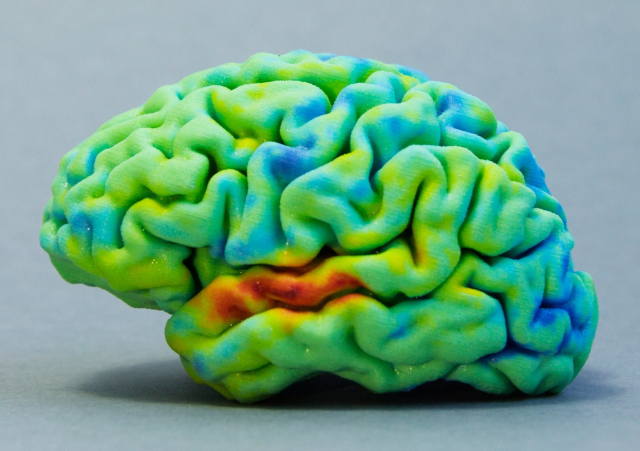
JNφphi: Indexing, Archiving, and Scholarly Infrastructure
The Journal of NeuroPhilosophy is committed to ensuring the highest standards of scholarly visibility, accessibility, and long-term preservation. In addition to the analytics and readership metrics presented in our primary editorial report, we are pleased to highlight the journal's inclusion across a broad ecosystem of international indexing services, research infrastructures, digital archives, and scholarly identity platforms. This integrated network of databases significantly enhances the discoverability, citation potential, and academic impact of the research published in the journal.
The Journal of NeuroPhilosophy also acknowledges the importance of national research evaluation systems that contribute to the recognition and assessment of scholarly publications. In this context, the journal is aligned with the evaluation frameworks established by ANVUR (Italian National Agency for the Evaluation of Universities and Research Institutes). ANVUR is the official body responsible for assessing the quality of research outputs produced by Italian universities and research institutions. Through its national research assessment exercises and journal classification systems, ANVUR plays a significant role in determining the academic impact and disciplinary relevance of scholarly publications. Recognition within the ANVUR evaluation framework increases the visibility of journals among Italian researchers and academic institutions, particularly in fields related to philosophy, cognitive science, and interdisciplinary humanities research. Inclusion in evaluation systems associated with ANVUR facilitates the integration of journal publications into institutional research assessment processes and supports the broader dissemination of scholarly contributions within the European academic environment.
In the domain of philosophy-specific indexing, the journal benefits from inclusion in PhilPapers, one of the most respected and widely used databases for philosophical scholarship. PhilPapers provides detailed subject classification across numerous philosophical subfields, including philosophy of mind, philosophy of neuroscience, philosophy of cognition, and philosophy of science. Through this platform, articles from the Journal of NeuroPhilosophy become part of a curated academic environment used extensively by philosophers for literature discovery, bibliographic research, and scholarly networking.
The journal is also integrated into specialized philosophy documentation systems, including the Philosophy Documentation Center and the Digital Philosophy Index (DPi). These platforms provide additional visibility within the global philosophy research community by cataloguing journals, monographs, conference proceedings, and born-digital scholarship. Their structured indexing and bibliographic standards help ensure that contributions published in the journal are discoverable through specialized academic libraries and philosophy research portals.
Beyond indexing, the Journal of NeuroPhilosophy places strong emphasis on digital preservation and long-term accessibility. All published articles are archived through Zenodo, the open research repository developed under the OpenAIRE infrastructure and supported by the European research community. By depositing content in Zenodo, the journal ensures stable, long-term access to its publications while also enabling integration with European open science frameworks. This repository-based archiving supports transparency, reproducibility, and open dissemination of research outputs.
Read more about JNφphi: Indexing, Archiving, and Scholarly Infrastructure